Caring for Horses in Indian Summers: Heat, Hydration and Hard Work

Indian summers are demanding for horses. High temperatures and humidity make it harder for them to cool down, and heavy sweating drains both fluids and essential salts. A little planning keeps horses comfortable, hydrated and safe to work through the hottest months.
Why heat is hard on horses
Horses cool themselves mainly by sweating, and they sweat a lot — far more than people. In hot, humid conditions that sweat doesn't evaporate as easily, so they struggle to lose heat, and they lose large amounts of water and electrolytes in the process. Left unmanaged, that leads to dehydration, fatigue, poor performance and, in serious cases, heat stress.
Hydration comes first
Clean, fresh water must be available at all times, and most horses drink more when water isn't too warm. Provide salt — a lick or added to feed — to encourage drinking and replace sodium. In hot weather, water alone isn't always enough, because heavy sweating strips out electrolytes that plain water can't replace.
Replace what's lost in sweat
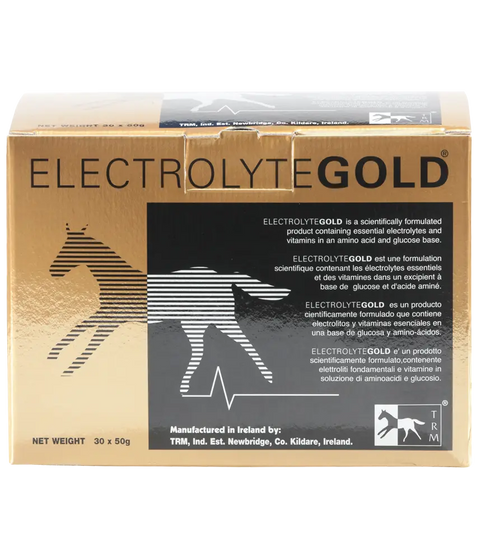
Electrolytes — sodium, chloride, potassium, calcium and magnesium — are lost in sweat and need replacing to maintain hydration and prevent cramps and fatigue. A daily electrolyte such as TRM Electrolyte Gold or the cost-effective TRM Isopro suits horses sweating regularly. For a fast top-up straight after hard work or travel, TRM Superlyte Paste is a convenient single dose. Browse the full electrolyte range to match your horse's workload. Always offer water alongside electrolytes.
Adjust work and routine
Ride in the cooler parts of the day — early morning or evening — and ease back on intensity when it's very hot and humid. After work, cool your horse properly: hose or sponge with cool water, scrape it off, and repeat until the horse has stopped blowing. Provide shade, good airflow, and turnout at cooler times where you can.
Signs of heat stress to watch for
- Rapid breathing that doesn't settle after work.
- Heavy sweating — or, worryingly, suddenly stopping sweating.
- Lethargy, stumbling or reluctance to move.
- A high heart rate that stays elevated.
If you suspect heat stress, start cooling the horse immediately and call your vet. With sensible hydration, electrolytes and smart timing, most horses cope well with the Indian summer.
Share
Featured product